Product Description
Double Pitch Conveyor Chain with K1 Attachments
Products are made of high quality alloy steel production. The plates are punched and squeezed bores by precision technology. The pin, bush, roller are machined by high-efficiency automatic equipment and automatic grinding equipment, then through heat treatment of carburization, carbon and nitrogen protection mesh belt furnace, surface blasting process etc. Assembled precision by Internal hole position, spin riveted by pressure to ensure the performance of the entire chain.
Specifications
| Technique Treatment | |||
| 1 | Shot Peening | 8 | Tempering |
| 2 | Bluing | 9 | Oiling |
| 3 | Nickel-plated | 10 | Greasing |
| 4 | Zincing | 11 | Special color |
| 5 | Heat Treatment | 12 | Stain proofing |
| 6 | Carburizing | 13 | Pre-stretched and anti-fatigue |
| 7 | Quenching | ||
Our Service
1. Any of your kind inquiry conveyor chain would be replied within 24 hours.
2. Well-trained and experienced sales staffs will reply all your concerns in fluent English.
3. OEM services are available with us, our professional designer would make your private idea into being.
4. Protection of your sales area, ideas of design and all your private information.
5. Delivery by air mail or ship for your orders.
Why choose us1. We are the manufacture.
2. We have near 30 years experience of making chains and chain links.
3. Our design team has extensive experience in the chain design.
4. Best service and prompt delivery.
5. We offer various styles, size and colors to meet your requirement.
6. We covering a production area of 18750 square CHINAMFG have more than 200 employees and we have a complete set of testing equipment to ensure our quality.
| Usage: | Transportation Chain |
|---|---|
| Material: | Alloy/Carbon Steel |
| Surface Treatment: | Oxygenation |
| Feature: | Oil Resistant |
| Chain Size: | C2082 C2080 C2082h C2080h |
| Structure: | Roller Chain |
| Samples: |
US$ 13/Meter
1 Meter(Min.Order) | |
|---|
| Customization: |
Available
| Customized Request |
|---|
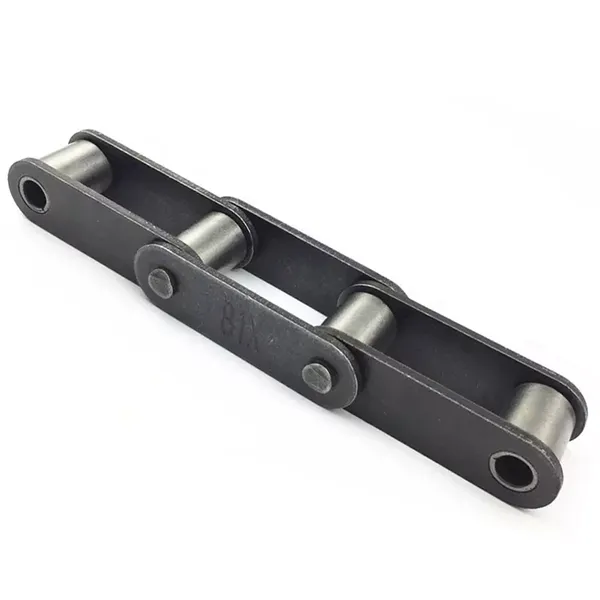
How does a conveyor chain handle inclined or declined conveyance?
A conveyor chain is designed to handle various types of conveyance, including inclined or declined applications. Here’s how a conveyor chain handles these situations:
1. Inclined Conveyance: When a conveyor system is required to move materials uphill, an inclined conveyor chain is used. The chain’s design includes special attachments or cleats that provide additional grip and prevent material from slipping or sliding backward. These attachments are strategically positioned along the chain to ensure effective conveyance on inclines.
2. Declined Conveyance: For conveyors that move materials downhill, a declined conveyor chain is utilized. Similar to inclined conveyance, the chain may have specialized attachments or cleats that help control the speed and prevent material from sliding too quickly. These attachments keep the material in place and ensure a controlled and efficient flow downward.
Both inclined and declined conveyance require careful consideration of the chain’s design, including the type and arrangement of attachments. The size, shape, and weight of the conveyed material also play a role in determining the appropriate chain configuration. It’s important to consult with conveyor chain manufacturers or experts to select the right chain and attachments for specific inclined or declined applications.
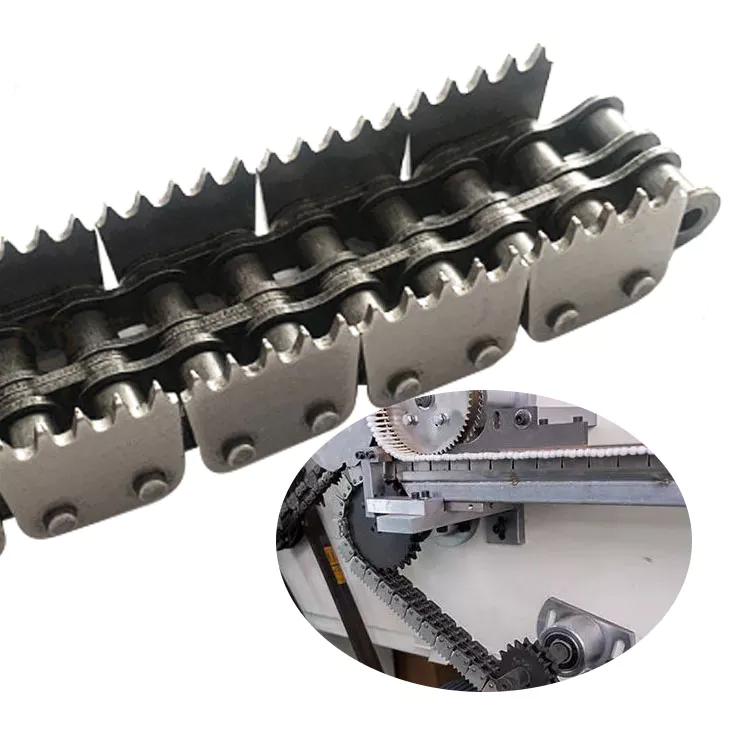
How do you select the appropriate lubricant for a conveyor chain?
Selecting the right lubricant is crucial for maintaining the performance and longevity of a conveyor chain. Here are the key factors to consider when choosing a lubricant:
1. Chain Type and Material: Different conveyor chains may have specific requirements for lubrication based on their construction materials and design. Consult the manufacturer’s recommendations or specifications to determine the lubricant compatibility.
2. Operating Conditions: Consider the operating environment, such as temperature, humidity, and presence of contaminants. For high-temperature applications, choose a lubricant with a higher temperature tolerance. In wet or dusty environments, opt for lubricants that offer excellent resistance to water washout and provide effective protection against contaminants.
3. Load and Speed: Evaluate the load capacity and speed of the conveyor chain. Higher loads and speeds may require lubricants with better film strength and anti-wear properties to reduce friction and prevent premature wear.
4. Lubrication Method: Determine the lubrication method that will be used for the conveyor chain. Lubricants can be applied through drip systems, brushes, spray nozzles, or automatic lubrication systems. Consider the viscosity and consistency of the lubricant to ensure proper application and distribution.
5. Food-Grade Requirements: In food processing or pharmaceutical applications, where direct contact with the product may occur, it’s essential to use food-grade lubricants that meet industry regulations and requirements for safety and hygiene.
6. Maintenance Schedule: Consider the desired maintenance intervals and the lubricant’s longevity. Some lubricants may require more frequent reapplication, while others provide longer-lasting lubrication.
7. Compatibility with Other Materials: Take into account the compatibility of the lubricant with other materials in the conveyor system, such as seals, gaskets, and paints. Ensure that the lubricant does not cause any adverse effects on these components.
It is recommended to consult with lubricant manufacturers or industry experts to select the most suitable lubricant for your specific conveyor chain application. They can provide guidance based on their expertise and knowledge of lubricant formulations and performance characteristics.
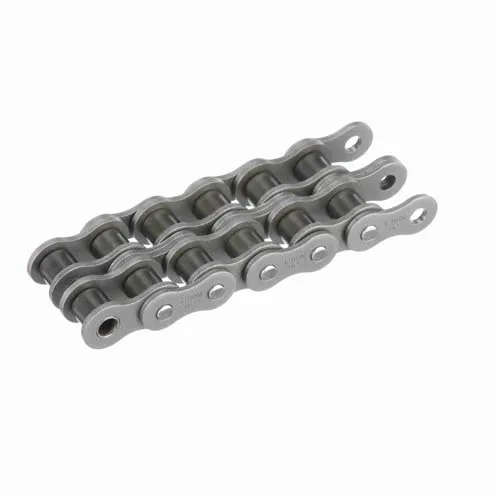
What safety precautions should be followed when working with conveyor chains?
Working with conveyor chains involves potential hazards, and it is essential to follow proper safety precautions to ensure the well-being of workers and prevent accidents. Here are some important safety measures to consider:
- Proper Training: Ensure that workers operating or maintaining conveyor chains receive proper training on safe practices, including chain handling, maintenance procedures, and emergency protocols.
- Personal Protective Equipment (PPE): Workers should wear appropriate PPE, such as safety glasses, gloves, and steel-toed shoes, to protect themselves from potential hazards, including flying debris, pinch points, or entanglement.
- Lockout/Tagout: Before performing any maintenance or repair tasks on conveyor chains, follow lockout/tagout procedures to isolate and de-energize the equipment to prevent accidental startup or release of stored energy.
- Guarding: Ensure that conveyor chains are adequately guarded to prevent access to moving parts, such as pinch points and rotating sprockets. Guards should be securely in place and not interfere with the chain’s operation.
- Housekeeping: Keep the work area clean and free of debris, tools, or other objects that could cause tripping hazards or interfere with the operation of the conveyor chain.
- Regular Inspections: Regularly inspect the conveyor chains for any signs of wear, damage, or misalignment. Address any issues promptly to prevent potential safety hazards.
- Safe Loading and Unloading: When loading or unloading materials onto the conveyor, follow safe lifting techniques and ensure the load is evenly distributed to prevent overloading or imbalance.
- Emergency Stop Devices: Install and clearly mark emergency stop devices along the conveyor system to enable immediate shutdown in case of an emergency or hazardous situation.
- Clear Communication: Establish clear communication protocols, including signals or signs, to ensure effective communication between workers operating different sections of the conveyor system.
These safety precautions are general guidelines, and it’s important to consult and adhere to specific safety regulations and guidelines provided by the equipment manufacturer and relevant safety authorities. Regular safety training, awareness, and a proactive safety culture are crucial in maintaining a safe working environment when working with conveyor chains.


editor by CX 2023-10-09