Product Description
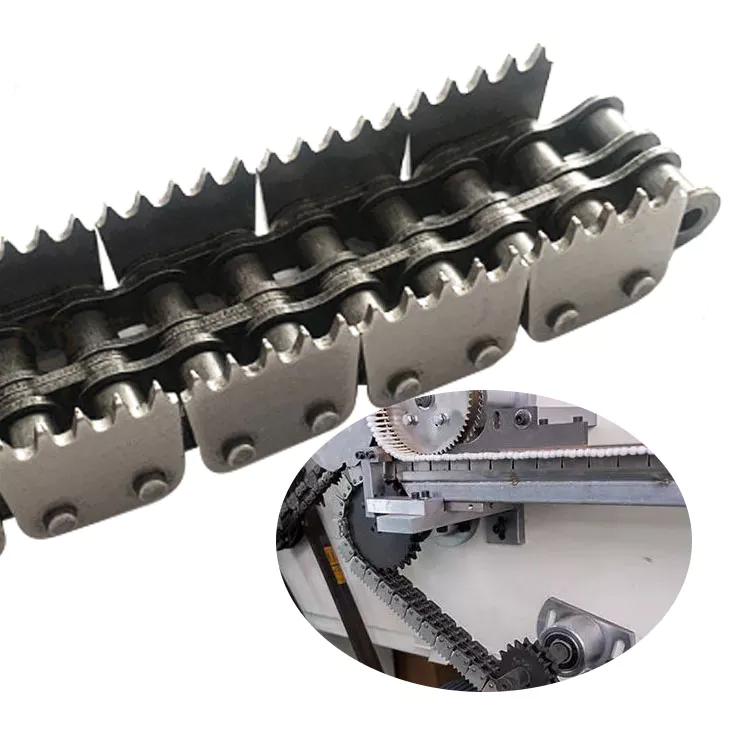
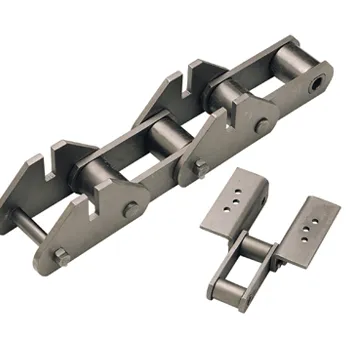
Die forging chain (also known as die forging chain) is a detachable chain used in suspension conveyors and is its main transmission component. The forging chain is composed of 3 parts: inner piece, outer piece and pin shaft, all of which are forged parts. Die forging easy to remove chain models are 3 inches, 4 inches, 6 inches, 9 inches and so on.
Company Profile
ZheJiang Yupan Machinery Equipment Co., Ltd.
Since its establishment, ZheJiang Yupan Machinery Equipment Co., Ltd. Has been a leading manufacturer of suspension chain rollers, lightweight suspension chains, die-forged chains, and bearings. Our commitment to CHINAMFG and innovation has allowed us to serve a diverse range of industries, including automotive, meat processing, and high-speed industrial wire manufacturing.
Our suspension chain rollers are designed for durability and smooth operation, ensuring efficient and reliable transportation of products along various production lines. Whether it’s the car electrophoresis line, CHINAMFG slaughter line, or any other industrial process, our rollers provide a stable and dependable suspension solution.
Our lightweight suspension chains are perfect for applications where weight reduction is crucial. These chains are strong yet lightweight, enabling them to handle heavy loads while maintaining high operational speeds. Whether in electrostatic spraying lines, tire production lines, or automotive assembly lines, our lightweight chains are an integral part of the efficient workflow.
Our die-forged chains are known for their exceptional strength and durability. Forged from high-quality materials using precision techniques, these chains can withstand extreme loads and harsh environments, making them ideal for high-stress applications.
Our bearings, designed with precision engineering, offer smooth rotation and long-lasting performance. Whether it’s for industrial equipment or machinery, our bearings ensure efficient and reliable operation, minimizing downtime and maximizing productivity.
At ZheJiang Yupan, we understand that each industry and application has its unique requirements. Therefore, we offer custom solutions tailored to meet the specific needs of our clients. Our team of experienced engineers and technicians works closely with our customers to understand their unique challenges and provide the most suitable suspension solutions.
Our commitment to quality is evident in our strict adherence to international standards and certifications. We maintain a rigorous quality control process to ensure that each product meets the highest standards of quality and reliability. This commitment to CHINAMFG has helped us gain the trust and satisfaction of our clients worldwide.
In addition to our products, we also pride ourselves on our after-sales service. Our team of experts is always available to provide technical support, maintenance advice, and prompt replacements in case of any issues. We believe in building long-term relationships with our clients and strive to provide them with the best possible support throughout their journey with us.
ZheJiang Yupan Machinery Equipment Co., Ltd. is not just a manufacturer of suspension chain rollers, lightweight suspension chains, die-forged chains, and bearings; We are a partner in your success. We strive to provide innovative and reliable solutions that help our clients achieve their production goals efficiently and cost-effectively.
As we continue to grow and expand, we remain committed to our core values of innovation, quality, and customer satisfaction. We look CHINAMFG to serving more industries and creating even more value for our clients in the future.
Thank you for considering ZheJiang Yupan Machinery Equipment Co., Ltd. As your preferred partner for suspension solutions. We look CHINAMFG to the opportunity to work with you and create a successful and rewarding partnership.
/* January 22, 2571 19:08:37 */!function(){function s(e,r){var a,o={};try{e&&e.split(“,”).forEach(function(e,t){e&&(a=e.match(/(.*?):(.*)$/))&&1
| Material: | Alloy |
|---|---|
| Structure: | Combined Chain |
| Surface Treatment: | Polishing |
| Chain Size: | 1/2"*3/32" |
| Feature: | Fire Resistant, Oil Resistant, Heat Resistant |
| Chain: | Die Forging Chain |
| Samples: |
US$ 20/Meter
1 Meter(Min.Order) | |
|---|
What are the benefits of using a silent conveyor chain?
A silent conveyor chain, also known as a noise-reducing conveyor chain, offers several advantages in conveyor system applications:
1. Noise Reduction:
– One of the primary benefits of using a silent conveyor chain is the significant reduction in noise levels. These chains are specifically designed to minimize the noise generated during operation, creating a quieter and more comfortable working environment.
2. Improved Work Environment:
– By reducing noise levels, a silent conveyor chain contributes to a better work environment, particularly in settings where noise reduction is important, such as manufacturing facilities, warehouses, and distribution centers. It helps reduce employee fatigue, enhances communication, and improves overall worker satisfaction.
3. Compliance with Noise Regulations:
– In some industries or regions, there are specific noise regulations that must be met. Using a silent conveyor chain helps ensure compliance with these regulations, avoiding potential penalties and legal issues.
4. Increased Productivity:
– A quieter working environment created by a silent conveyor chain can lead to increased productivity. With reduced noise distractions, employees can focus better on their tasks, resulting in improved efficiency and output.
5. Extended Chain and Equipment Life:
– Silent conveyor chains are often designed with advanced materials and technologies that offer enhanced wear resistance and durability. They can withstand heavy loads, reduce friction, and minimize wear and tear on both the chain and the associated equipment, resulting in longer service life and reduced maintenance costs.
6. Versatility:
– Silent conveyor chains are available in various configurations and designs, making them compatible with a wide range of conveyor systems and applications. They can be used in different industries, including automotive, food processing, packaging, and more.
When considering a silent conveyor chain, it is important to consult with a reputable chain manufacturer or supplier to ensure the chain meets the specific requirements of the application.

What are the factors to consider when selecting the pitch of a conveyor chain?
When selecting the pitch of a conveyor chain, several factors need to be considered to ensure optimal performance and efficiency. Here are the key factors:
1. Load Capacity: The pitch of the conveyor chain should be selected based on the anticipated load capacity of the system. Consider the weight and size of the conveyed materials to ensure the chain can handle the required load without exceeding its capacity.
2. Speed and Application: The operating speed of the conveyor system and the specific application play a role in determining the pitch. Higher speeds may require smaller pitch chains to maintain smooth and reliable operation.
3. Conveyor Length: The length of the conveyor system affects the selection of the chain pitch. Longer conveyors may require larger pitch chains to distribute the load and reduce tension on individual chain links.
4. Space Constraints: Consider the available space for the conveyor system. Smaller pitch chains may be preferred in applications with limited space to minimize the overall footprint of the conveyor.
5. Wear and Maintenance: The pitch selection should also consider the anticipated wear and maintenance requirements. Smaller pitch chains often provide better wear resistance and may require less frequent lubrication and maintenance.
6. Speed Regulation: If the conveyor system requires speed regulation or precise positioning, the pitch selection should align with the control capabilities of the drive system. Smaller pitch chains can offer finer control and accuracy.
7. Compatibility: Ensure that the selected pitch is compatible with other components of the conveyor system, including sprockets, guides, and attachments. They should be designed to work together smoothly and efficiently.
8. Application Environment: Consider the environmental conditions in which the conveyor will operate. Factors such as temperature, humidity, corrosive substances, or abrasive materials may influence the choice of chain pitch and material to ensure durability and longevity.
By considering these factors, you can select the appropriate pitch for the conveyor chain, ensuring optimal performance, longevity, and reliable operation of the system.
What are the industry standards and regulations for conveyor chains?
In the field of conveyor chains, there are several industry standards and regulations that help ensure safety, performance, and quality. Some of the commonly recognized standards include:
1. ISO 1977:2013 – Conveyor chains, attachments, and sprockets: This International Organization for Standardization (ISO) standard specifies the requirements and dimensions for various types of conveyor chains, attachments, and sprockets used in general industrial applications.
2. ANSI/ASME B29.1 – Precision Power Transmission Roller Chains, Attachments, and Sprockets: This American National Standard Institute (ANSI) standard provides guidelines for the design, dimensions, and performance of roller chains, attachments, and sprockets used in power transmission systems, including conveyor chains.
3. CEMA – Conveyor Equipment Manufacturers Association: CEMA publishes various standards and technical documents related to conveyor systems, including conveyor chains. These standards cover topics such as safety, design, installation, maintenance, and operation of conveyor equipment.
4. OSHA – Occupational Safety and Health Administration: OSHA is a regulatory agency in the United States that sets and enforces safety standards for workplaces. They have specific regulations related to conveyor systems, including requirements for guarding, maintenance, and employee safety.
5. Local and National Building Codes: Depending on the location and application, there may be specific building codes or regulations that dictate the design, installation, and operation of conveyor chains. These codes ensure compliance with safety and structural requirements.
It’s important for conveyor chain manufacturers, system integrators, and end-users to adhere to these industry standards and regulations to ensure the safe and reliable operation of conveyor systems. Compliance with these standards helps to maintain worker safety, promote system performance, and ensure compatibility and interchangeability of conveyor chain components.


editor by CX 2024-05-07